
Christmas can be one of the most valuable trading periods of the year for retailers selling party supplies, gift packaging, greeting cards and seasonal decorations. But strong December sales usually depend on decisions made much earlier.
For retailers, the most important Christmas question is not simply what will customers buy? It is when should stock be ordered, how should it be displayed, and how can related products be sold together?
With corporate events, office parties, family celebrations, gift exchanges and festive gatherings all increasing demand, the Christmas season gives retailers an opportunity to grow both footfall and average transaction value. The key is preparation.
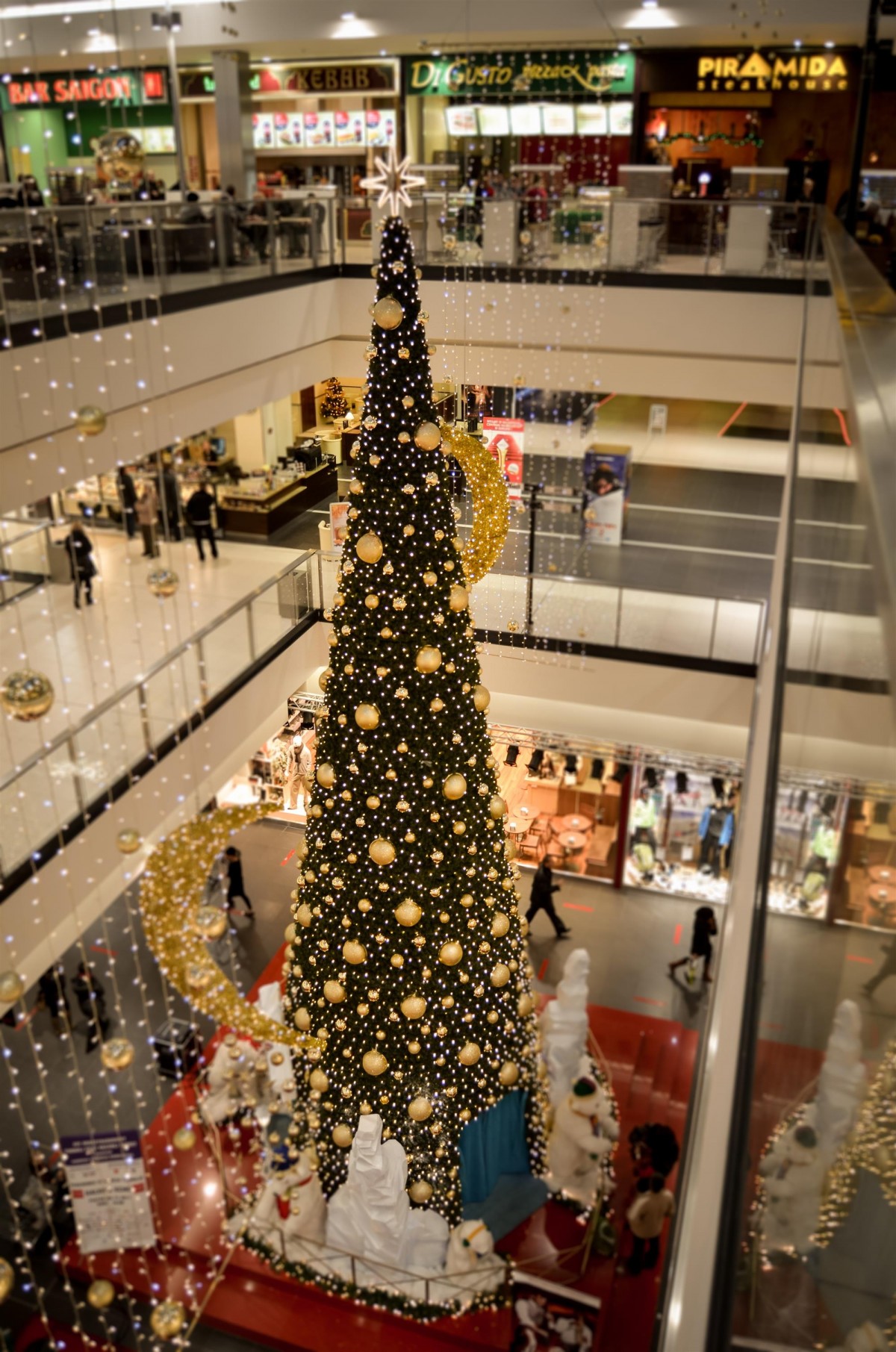
1. Start Christmas Planning Before Customers Start Shopping
One of the biggest retail mistakes is waiting until Christmas demand is already visible before preparing inventory.
Retailers need time to select products, place wholesale orders, receive deliveries, organise stockrooms, build displays and prepare online collections. Seasonal stock is also more vulnerable to shortages because many businesses are trying to buy similar products at the same time.
By planning early, retailers have a better chance of securing the assortment they want rather than simply buying whatever remains available later in the season.
For many businesses, the planning process should begin with a review of the previous Christmas period. Which products sold quickly? Which products were left over? Which categories ran out too early? Which items were commonly bought together?
These answers provide a much stronger basis for purchasing than relying on instinct alone.
2. Build a Complete Christmas Range, Not a Collection of Random Products
A good seasonal range should help customers complete an occasion.
For example, Christmas shoppers may be looking for decorations, but they may also need gift bags, gift boxes, wrapping paper, greeting cards and accessories. Corporate customers and event organisers may be buying larger quantities for office functions, hotels, restaurants or seasonal promotions.
Instead of treating every category separately, retailers can organise the range around the full festive shopping journey:
- Decorate: Christmas decorations, table accessories and festive display products.
- Celebrate: party supplies and products suitable for office or family gatherings.
- Gift: wrapping paper, gift bags, gift boxes and decorative packaging.
- Message: Christmas greeting cards and seasonal cards.
This approach makes the store easier to shop and creates natural opportunities for cross-selling.

3. Make Gift Packaging a Major Part of the Seasonal Plan
Christmas is not only a decoration season. It is also one of the year’s biggest gifting periods.
This makes packaging particularly important. Customers who already have a gift still need a way to present it, while customers buying gifts from your store may be willing to add packaging at the same time.
Retailers should consider stocking a variety of sizes and styles rather than depending on a single design. A useful range may include gift bags, boxes, wrapping paper, ribbons and other finishing products.
Different price points are also important. Some customers want simple and economical packaging, while others are prepared to pay more for a polished presentation.
Placing packaging near gifts, greeting cards or checkout areas can help turn it into an impulse or convenience purchase.
4. Create a Christmas Display That Customers Can Understand Immediately
A strong seasonal display should communicate “Christmas” within seconds.
The display does not need to include every Christmas product in the store. Its job is to attract attention and lead customers into the wider category.
Use clear product groupings, repeat a small number of visual themes and avoid overcrowding. Where possible, show complementary products together. A display that combines a gift bag, card, wrapping material and festive accessory can demonstrate a complete purchase rather than presenting four unrelated items.
For online retailers, the same principle applies. A Christmas landing page should be easy to navigate, with clear sections for decorations, gifting and greeting cards. Popular items and frequently purchased combinations should appear prominently.
5. Plan for Corporate and Event Demand
Christmas demand is not limited to households.
Autumn and winter bring a heavier calendar of corporate gatherings, hotel events, office celebrations, school functions and end-of-year activities. Event planners and business customers may purchase larger quantities than individual consumers and can therefore be valuable customers for retailers.
Retailers serving this market should think about products that can be bought in multiples and should be ready to answer questions about quantity availability.
This is also where working with a dependable wholesaler becomes particularly important. A retailer may be able to replace one missing consumer sale, but losing a larger corporate order because stock is unavailable can have a much bigger impact.

6. Use Cross-Selling to Increase the Value of Each Transaction
Christmas offers exceptional cross-selling opportunities because the customer’s needs often extend beyond a single product.
A few simple combinations include:
- Christmas decorations + party accessories
- Gift box + wrapping accessories
- Gift bag + greeting card
- Wrapping paper + ribbon
- Christmas card + gift packaging
These combinations do not always need a promotional discount. In many cases, simply placing related products close together reminds customers of something they still need.
Staff can also help by asking practical questions such as, “Do you need a card for that gift?” or “Would you like a gift bag as well?”
7. Give Greeting Cards Enough Space
Greeting cards are easy to overlook because they require less physical space than larger seasonal products. However, they can be an important add-on category.
A good card display should be easy to browse and positioned where gift shoppers are likely to see it. Retailers can also place smaller selections near gift bags, boxes or checkout areas.
The goal is convenience. If a customer can complete the gift, packaging and card purchase in one visit, there is less reason to shop elsewhere.
8. Replenish Fast Sellers Throughout the Season
A Christmas display should not be treated as a one-time setup.
Once the season begins, monitor stock frequently. Some products will sell faster than expected, while others may move slowly. Fast sellers should be replenished before shelves begin to look empty.
Retailers should also keep displays tidy. Seasonal areas can become disorganised quickly because customers browse heavily and move products between sections.
Regular maintenance keeps the display looking attractive and makes it easier to identify stock gaps.
9. Protect Yourself From Too Much Leftover Stock
Christmas inventory creates opportunity, but seasonal stock also carries more risk than evergreen birthday products.
Retailers should therefore separate products into three groups: strongly Christmas-specific products, products that may also work for New Year or winter events, and products such as gift packaging that can continue selling after Christmas.
This helps determine how aggressively each category should be stocked.
As the season progresses, slower-moving Christmas-only products can be repositioned or promoted earlier rather than waiting until the final days of December.
10. Choose Wholesale Supply With the Whole Season in Mind
The best Christmas retail plan can still fail if the supply chain cannot support it.
Retailers should look beyond individual product prices and consider assortment, availability, ordering convenience and the ability to buy complementary categories from the same source.
Party Palace by Al Qadah brings together party, gifting and seasonal products for retailers, helping businesses build a more complete festive range across Christmas decorations, gift packaging, greeting cards and celebration essentials.
For retailers, the advantage of planning early is simple: when customers begin their Christmas shopping, your store is already ready for them.
Prepare Early, Merchandise Clearly and Sell the Complete Occasion
Christmas retail success is rarely about one bestselling product. It comes from having the right assortment, at the right time, presented in a way that makes shopping easy.
Start ordering early, build a complete seasonal range, give gifting categories proper attention, prepare for corporate demand and use cross-selling throughout the store.
Do that well, and Christmas becomes more than a short seasonal promotion. It becomes an opportunity to increase customer spend, attract new buyers and finish the retail year strongly.
Image licensing: Images used in this article were sourced from PxHere and are identified by PxHere as Creative Commons CC0/Public Domain, permitting commercial use without attribution. Source pages were reviewed before import.